
When creating horror imagery with AI, not all models are created equal. Two popular options—Google Imagen 4 and Seedream v4—offer very different experiences for horror creators. Here's a direct comparison and why Seedream v4 emerges as the clear winner for horror content.
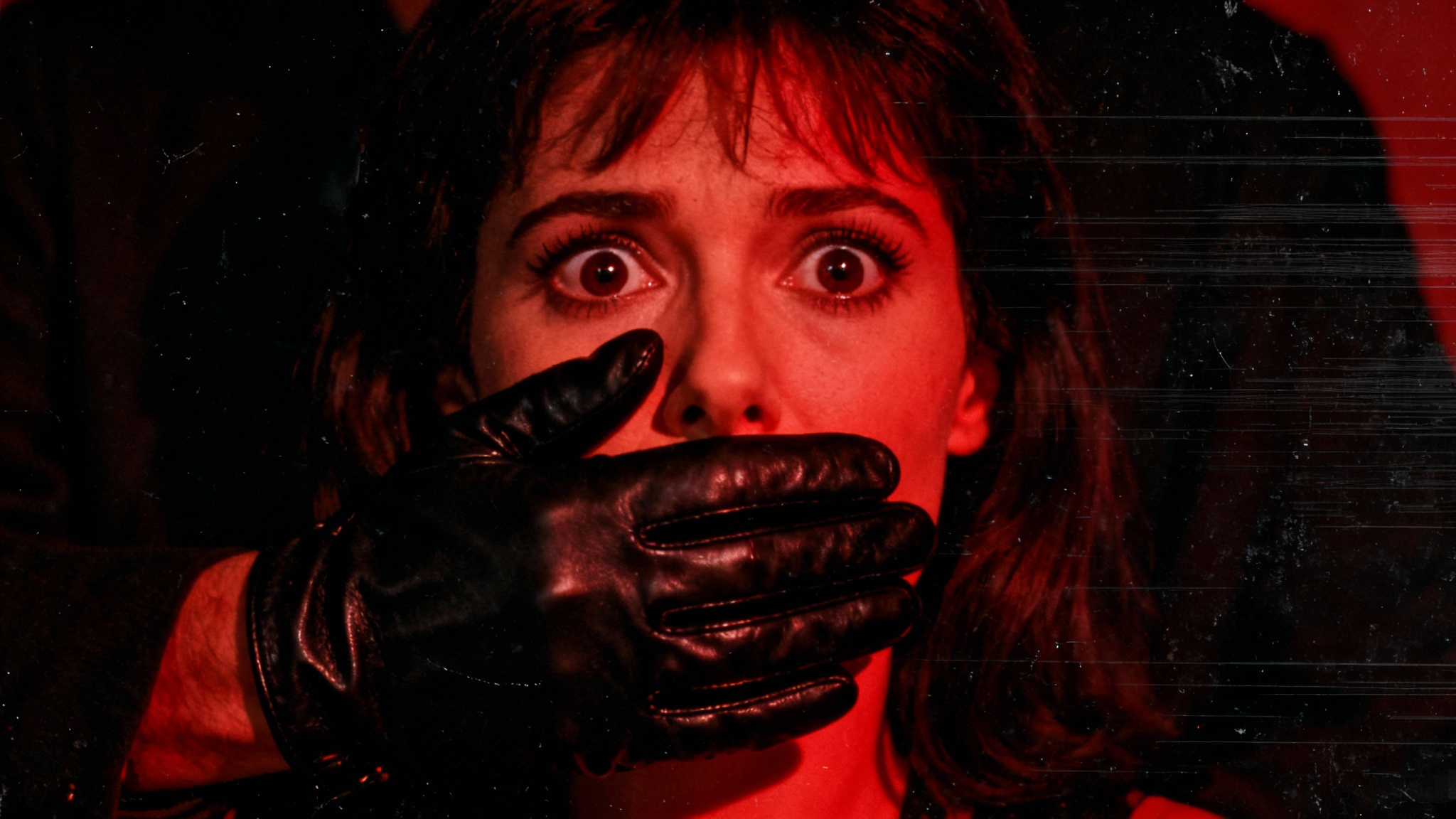
Techniques from the prompt above
Close-up control: "Tightly framed from shoulders to top of head" and "victim's face and gloved hand" keep the composition simple. Fewer elements mean better finger and hand consistency—a test for Imagen vs Seedream.
Single gel light: "Single deep red gel light source" and "very dark underexposed" create theatrical giallo lighting. One light, high contrast—easy for models to interpret.
Format and grain: "Analog video noise, scan lines, tracking artifacts" and "gritty atmospheric shadows" add texture. "Not photorealistic, murky and atmospheric" can help some models avoid over-filtering.
Genre anchor: "1970s Italian giallo style" and "crushed blacks" lock in the aesthetic. Seedream v4 handles this reliably; Imagen 4 often filters or degrades.
Google Imagen 4: Strong Foundation, Horror Limitations
Google Imagen 4 represents a significant step forward in AI image generation, offering impressive general-purpose capabilities. However, for horror creators, it comes with significant drawbacks.
Strengths
- General Quality: Strong performance on standard image generation tasks
- Brand Recognition: Backed by Google's research and infrastructure
- Wide Availability: Accessible through multiple platforms
Critical Weaknesses for Horror
1. Content Filtering Sensitivity
Google Imagen 4 is highly sensitive to horror visuals. It frequently filters content or generates errors during creation when it detects horror-related imagery. This means:
- Failed generations when content is deemed too "horror-focused"
- Lost credits on generations that never complete
- Inconsistent results depending on how the model interprets your prompt
2. Finger Detail Issues
Imagen 4 struggles with finger details, often producing unrealistic or distorted hands. This is a common problem across many AI models, but Imagen 4's finger generation is particularly problematic, making it unreliable for scenes requiring detailed hand imagery.
3. Clarity Problems
In complex scenes, especially those with dramatic lighting or atmospheric horror elements, Imagen 4 can struggle with clarity. Details get lost, textures become muddled, and the overall image quality degrades in challenging horror scenarios.
4. Generation Errors
Due to its content filtering, Imagen 4 frequently generates errors during creation when working with horror visuals. This leads to wasted credits, lost time, and frustration for creators trying to produce effective horror content.
Seedream v4: Built for Horror
Seedream v4 takes a different approach—it's optimized for horror content and doesn't suffer from the same limitations that plague Imagen 4.
Strengths
1. No Content Filtering Issues
Seedream v4 doesn't break on horror visuals. It handles graphic imagery, atmospheric horror, and dark content without filtering or generating errors. This means:
- Reliable generation every time
- No lost credits from failed generations
- Consistent results with horror prompts
2. Superior Finger Detail
Unlike Imagen 4, Seedream v4 handles finger details much better. While no AI model is perfect with hands, Seedream v4 produces more realistic and consistent finger generation, making it more reliable for scenes requiring detailed hand imagery.
3. Excellent Clarity
Seedream v4 maintains clarity even in complex horror scenes. It handles dramatic lighting, atmospheric effects, and challenging compositions without losing detail or degrading image quality. This makes it ideal for horror imagery that requires both atmosphere and clarity.
4. No Generation Errors
Seedream v4 doesn't generate errors due to content filtering. It's designed to handle horror content reliably, meaning you won't waste credits or time troubleshooting failed generations.
5. Authentic Horror Aesthetics
Beyond technical reliability, Seedream v4 excels at creating authentic horror aesthetics. It's particularly strong with Italian horror (giallo) visuals, capturing the saturated colors, dramatic lighting, and baroque style that defines classic horror cinema.
Direct Comparison
| Feature | Google Imagen 4 | Seedream v4 |
|---|---|---|
| Horror Content Handling | ❌ Filters content, generates errors | ✅ Handles horror reliably |
| Finger Details | ❌ Significant issues | ✅ Better handling |
| Clarity in Complex Scenes | ❌ Degrades in horror scenarios | ✅ Maintains clarity |
| Generation Errors | ❌ Frequent errors with horror | ✅ No filtering errors |
| Horror Aesthetics | ⚠️ Limited by filtering | ✅ Excellent horror visuals |
| Reliability | ❌ Unreliable for horror | ✅ Consistent results |
The Verdict: Seedream v4 Wins
For horror creators, Seedream v4 is the clear winner. Here's why:
- Reliability: No content filtering means no wasted credits or failed generations
- Quality: Better finger details and clarity in complex horror scenes
- Consistency: Predictable results without errors interrupting your workflow
- Horror Optimization: Built to handle horror content, not fight against it
Google Imagen 4 may be strong for general-purpose image generation, but its sensitivity to horror visuals, finger detail issues, and clarity problems make it a poor choice for horror creators. Seedream v4, on the other hand, is designed for horror content and delivers reliable, high-quality results.
Where to Access These Models
Both models are available through various platforms, but for horror creators, using a platform that handpicks models for horror effectiveness is crucial. Darkframe integrates Seedream v4 and other horror-optimized models, ensuring you're working with tools that won't break on horror visuals.
Ready to create horror imagery without the frustration of content filtering and generation errors? Visit Darkframe AI and experience models that actually work for horror creators.